How to Restock a Vending Machine Efficiently (USA Operator Tips)
How to Restock a Vending Machine Efficiently (USA Operator Tips) — route planning, par levels, and the tactics American operators use to cut service time.
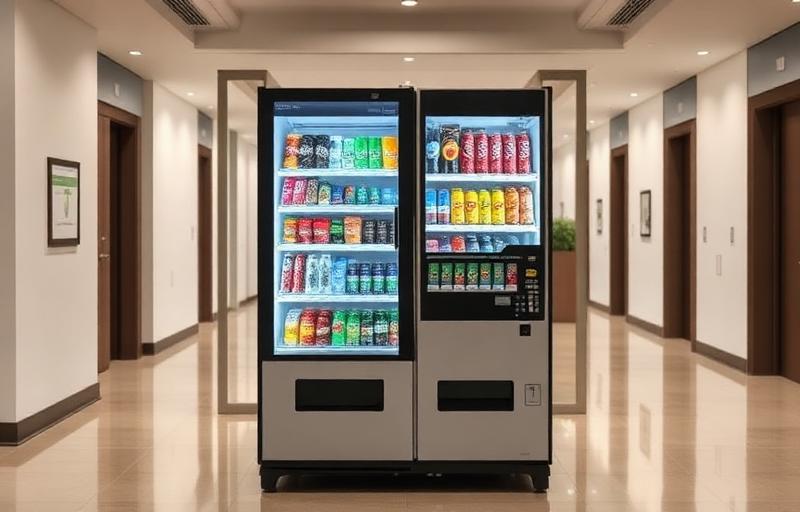
Restocking efficiency is the quiet superpower of profitable USA vending routes. A new operator might spend 45 to 60 minutes per machine per visit; an experienced American operator running an optimized route can do the same work in 15 to 20 minutes. Across a 25-machine route, that's the difference between vending as a job and vending as a business.
The single highest-impact change new USA operators can make: establish par levels per SKU per machine and only restock to par. Most beginners restock to 'full' on every visit, which means digging through inventory, pulling slow-moving SKUs that are still 80% stocked, and wasting 15+ minutes per machine on motion that doesn't generate revenue.
Use the telemetry data your Nayax or Cantaloupe card reader already produces. Both platforms report SKU-level sell-through between services. Set restocking par levels in the dashboard, generate a per-machine restock list before leaving home, and pre-pack your van or truck with exactly the inventory each machine needs. This single workflow change cuts on-site time by 40% to 60%.
Across the USA, demand concentrates in a handful of high-growth metros. Operators report the strongest unit economics in Texas, Florida, California, Georgia, Arizona, North Carolina, with standout suburban pockets like Plano, TX, Frisco, TX, The Woodlands, TX, Doral, FL, Coral Gables, FL, Alpharetta, GA consistently outperforming national averages. Route density is the second highest-impact variable for USA restocking efficiency. Operators who cluster placements within a 15-mile radius spend 30% to 50% less time per route than operators with the same machine count spread across 50+ miles. When evaluating new placements, the unit economics on a tight-cluster placement usually beats a higher-revenue placement an hour away.
Restock cadence varies by USA placement velocity. High-velocity placements (manufacturing plants, fitness centers): twice weekly. Mid-velocity (offices, auto dealerships): weekly. Low-velocity (small offices, niche placements): biweekly. Trying to run a uniform weekly cadence across all placements wastes time at the low end and creates stockouts at the high end.
Pre-pack your service vehicle by machine, not by SKU. Plastic totes labeled with the machine number and pre-filled with that machine's expected restock save 5 to 10 minutes per stop. American operators running 15+ machines should invest $50 to $150 in stackable totes — the payback is under a month.
Schedule restocks to align with USA placement traffic patterns. Office placements: restock Monday evening or Tuesday morning to be ready for the Tuesday-Thursday peak. Manufacturing placements: restock during shift changes to avoid blocking the break-area traffic. Fitness centers: restock mid-morning between the early-bird and lunch-hour rushes.
Refunds and cashless reconciliation deserve a dedicated workflow. Customers will request refunds; how the operator handles them affects placement retention. Modern card readers (Nayax, Cantaloupe) handle most refunds automatically through the customer's payment method. For cash refunds, leave a small petty cash float and reconcile monthly. Never let refund requests pile up — slow refunds kill placements.
Track restock-to-restock SKU velocity for every machine in the USA route. Slow-moving SKUs should be rotated out within 60 to 90 days. Fast-moving SKUs (the top 20% in every machine) should have their par levels increased. Over 12 months, this discipline alone typically lifts gross revenue per machine by 8% to 15% with no other operational changes.
The unsexy practices that compound: a clean machine glass on every service visit (host satisfaction), expired-date checks on every restock (avoids customer complaints), product-rotation discipline on perishables (avoids spoilage losses), and a brief 'how's it going' chat with the on-site manager every visit (retains the placement during inevitable bumps).
Once you've mapped your numbers, plug them into our free ROI Calculator at /roi-calculator to pressure-test the deal. For multi-machine routes, financing scenarios, and 5-year projections, the Premium ROI tools on the same page give you the lender-ready view.